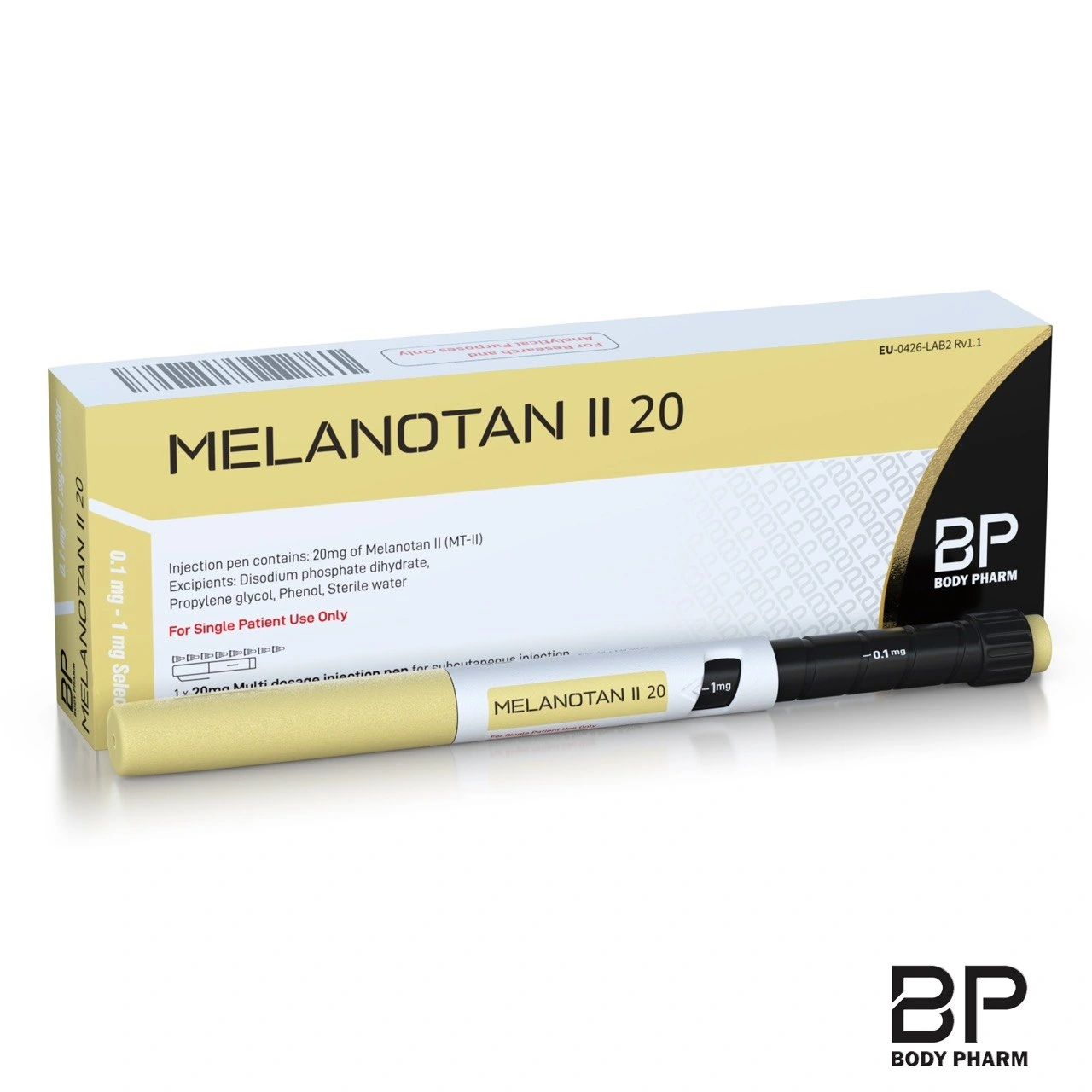
UV Index, SPF and Melanotan II in Bali: three different numbers and claims
Understand UV Index and SPF in Bali without treating pigmentation as sun protection. Read the two numbers as different tools for planning outdoor exposure.
UV Index and SPF describe different things. UV Index concerns the outdoor UV hazard; SPF describes a sunscreen's tested protection against sunburn-producing UVB under specified conditions. Neither becomes a personal tanning allowance because skin looks darker.
Two numbers, two questions
The WHO UV Index guide explains the environmental index and protective actions. The WHO sunscreen guidance distinguishes SPF from broad-spectrum protection. A weather app and a sunscreen label are therefore supplying different pieces of information for a Bali day.
| Term | What it helps describe |
|---|---|
| UV Index | The potential hazard from environmental UV |
| SPF | Tested protection primarily against UVB sunburn |
| Broad spectrum | Protection covering UVA and UVB |
Do not divide one number by the other to produce a safe exposure time. Application, coverage, exposure conditions and the product's own directions all matter. The figures are not designed as a shortcut for planning how long to tan.
Where does Melanotan II fit?
It is a separate product question. The TGA's photoprotection advice states that artificially increasing pigmentation does not replace suitable sunscreen protection. A change in colour should not be used to lower the protective measures suggested by the UV conditions.
Read the forecast before the sunscreen bottle
A forecast for the south coast can show a high ultraviolet index while the morning feels cool. The index estimates the potential for harm from solar ultraviolet radiation at a place and time. Air temperature answers a different question. A person can feel comfortable on a shaded scooter ride and still need a protection plan for the exposed stops along the way.
SPF is a property of a sunscreen measured under test conditions. Do not divide the forecast index by the SPF or multiply a remembered burn time by the label. Neither calculation predicts a safe length of time on a Bali beach. Coverage, application and activities such as swimming matter, and the label carries product-specific directions.
Use each piece of information for a decision it can support
| Information in front of you | A reasonable decision |
|---|---|
| The hourly UV forecast around a surf lesson | Plan shade, timing and protective clothing for the exposed part of the day |
| Broad-spectrum wording and SPF on sunscreen | Choose an appropriate sunscreen and follow the label's application instructions |
| A change in skin colour | Record the change if needed; colour is not a measure of protection |
| A Melanotan II product listing | Identify the product being discussed with a healthcare professional |
The WHO's UV Index guidance recommends sun protection when the UV Index is three or higher. A higher number increases the urgency of protection. It does not make a tanning product a substitute for shade, protective clothing or sunscreen. Australia's Therapeutic Goods Administration has separately warned about melanotan tanning products.
Plan for the change of activity
A common day in Bali includes breakfast under a roof, a walk on open sand and time in the water. The most useful point at which to review protection is the transition between those activities. A hat left at the villa cannot protect you at the beach, and the application before breakfast is not necessarily the last one the label calls for after swimming.
If somebody offers a pen as a way to stay in the sun longer, ask what evidence establishes protection against ultraviolet injury. A photograph of a darker tan or a description of pigmentation does not demonstrate that outcome. Keep any product questions for a qualified clinician and use recognised sun-protection measures for the day outside.
Make the Bali plan concrete
Check current local UV information rather than assuming the temperature tells the whole story. Think about shade, clothing, a hat, eye protection and appropriate broad-spectrum sunscreen together. WHO recommends protective measures when the UV Index reaches 3 or above.
The Melanotan II catalogue listing identifies the store's presentation; it does not provide an SPF rating or a sun-exposure plan. Use the journal to clarify the terminology. Separating the environmental index, sunscreen label and product identity makes the information useful without turning pigmentation into a protective measurement.
What should I save from the forecast?
Keep the place, date, hours you will be outside and the UV values for those hours. If you later move from a shaded setting into open sun or water, reassess the activity and sunscreen label. A screenshot of the maximum number alone gives a companion little guidance about the plan.