GHK-Cu, tranexamic acid and dark patches: what to ask in Bali
Compare GHK-Cu and tranexamic acid in Bali with the skin concern identified first. Separate melasma, general skin appearance and the actual product formulation.
If your question is about dark facial patches, start by identifying the patches. GHK-Cu and tranexamic acid appear in different skincare conversations, and a Bali reader should not assume that everything called “skin improvement” addresses the same concern.
Melasma is a specific diagnosis
The American Academy of Dermatology's melasma guide explains how a dermatologist assesses the condition and selects treatment. Tranexamic acid appears among options that may be considered in particular circumstances. That does not make every uneven patch melasma or every tranexamic-acid product appropriate for it.
GHK-Cu is a copper-containing peptide. The topical GHK-Cu study often cited in skincare discussions concerned skin after laser resurfacing, rather than a direct comparison with tranexamic acid for melasma. Naming the actual skin question makes that difference easier to understand.
Use a concern–product–outcome sequence
First describe the concern: patches, texture, dryness or something else. Then identify the proposed product and how it is meant to be used. Finally ask which outcome was measured in the supporting source.
| Your question | Information that helps |
|---|---|
| What are these patches? | Clinical assessment and history |
| What does this ingredient do in this product? | Exact formulation and route |
| Did the study address my concern? | Population and measured outcome |
This avoids choosing an ingredient from a broad “anti-ageing” list and expecting it to answer every skin question. A photograph showing smoother-looking skin is also different evidence from a measured change in pigmentation.
Separate the skin finding from the ingredient list
A flat brown patch on the cheeks, a dark mark after a spot and a change in skin texture can all be described casually as “uneven skin.” They are different observations. Write down whether colour, surface or both changed, when you first saw it and whether the area is stable. If you already have a dermatologist's diagnosis, use the wording from that consultation.
The American Academy of Dermatology's melasma guidance describes diagnosis, sun protection and treatment choices a dermatologist may consider. It discusses tranexamic acid within that clinical context. It does not establish that a locally advertised copper peptide or any other product will treat an undiagnosed patch.
Compare evidence against the question you actually have
| Question | Information that would answer it |
|---|---|
| Did pigmentation change? | A study in people with the relevant condition and a defined pigment assessment |
| Did the skin feel or look smoother? | A texture outcome recorded under comparable conditions |
| Did a cell make a particular protein? | A laboratory experiment measuring that molecule in the specified cells |
| What is in this package? | The exact product's ingredient, form, label and other identifying details |
If a paper measures a cellular process associated with tissue remodelling, retain that label in your notes. A change in that process does not establish visible fading of pigmentation in people. Likewise, evidence concerning one route of tranexamic acid cannot be carried over to a product with another route or another active ingredient.
Make a Bali appointment easier to use
An expat can arrive with a serum bought overseas, a new product pictured on a phone and photographs from several different beaches. Start with the item actually used: photograph the ingredient panel and name the route. For the patch, bring a photograph taken in consistent light if one is available. Keep holiday photos as context, since sunlight, camera processing and angle can change the appearance.
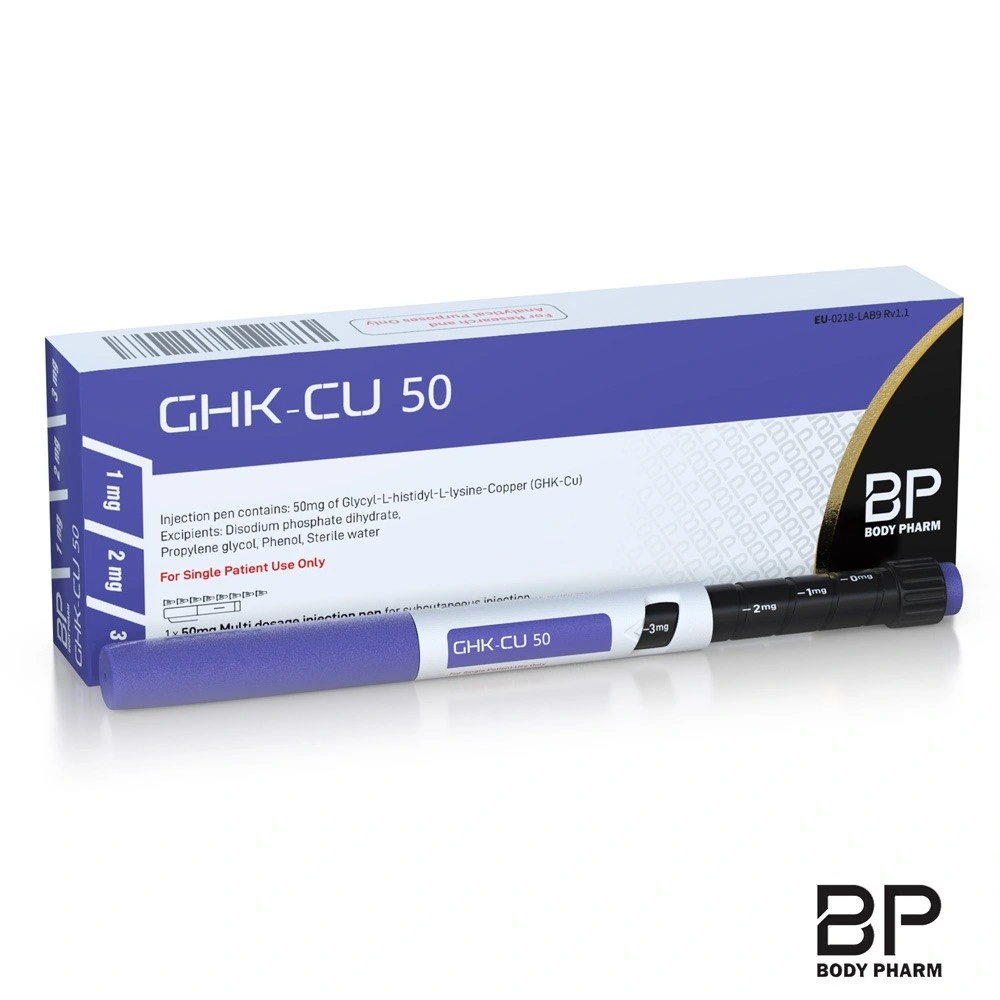
A question such as “Could this be melasma, and what outcome should I watch?” gives the clinician something specific to examine. If you are simply comparing products, the GHK-Cu listing identifies the local pen format. It does not turn topical data into an indication for that pen. A new or changing lesion deserves a clinical assessment rather than a shopping comparison.
For a Bali appointment, bring a list of products already used and describe when the patches appeared. The GHK-Cu catalogue listing supplies product context, not a melasma diagnosis or a recommendation to apply a pen product to the face. Browse the journal for ingredient explanations, then keep the treatment discussion specific to the concern you actually want addressed.
How can I tell whether two skin studies answer the same question?
Read what was measured before reading the result. A change in an investigator's pigmentation score, a participant's opinion about texture and a laboratory measure of collagen synthesis are not interchangeable endpoints. Keep the population, formulation and route attached to the measurement when comparing two papers.