BPC-157 and Achilles pain in Bali: tendinopathy, a sudden pop and rupture
Understand why an Achilles rupture and tendinopathy are different questions when reading BPC-157 claims in Bali. New injury signs need prompt assessment.
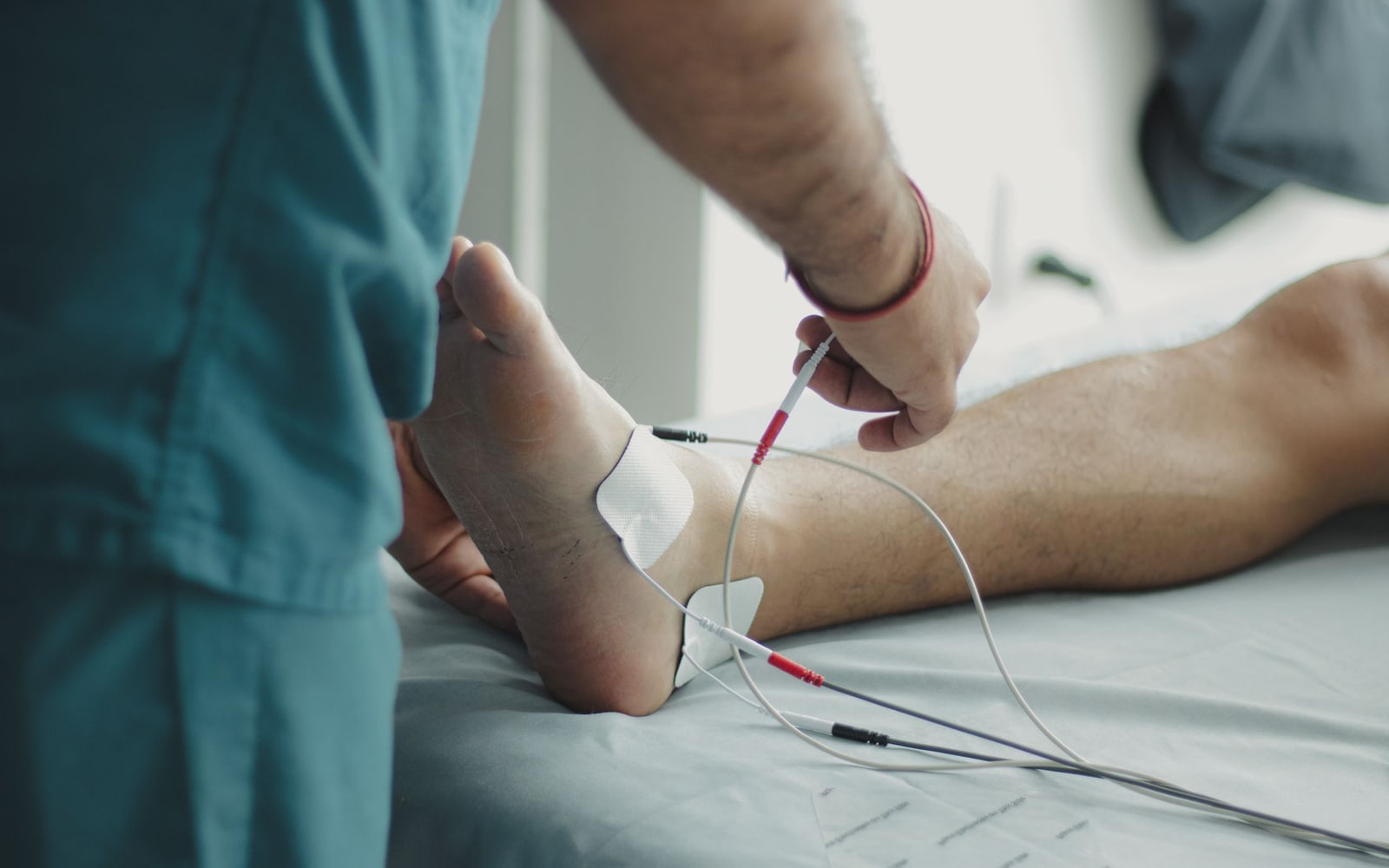
Achilles tendinopathy and an Achilles rupture are different clinical questions. If a Bali activity is followed by a sudden pop and difficulty pushing off the foot, seek urgent medical assessment rather than treating the injury as routine soreness or waiting for a peptide order.
The injury description comes first
NHS guidance on Achilles problems distinguishes ongoing tendon symptoms from urgent signs of a possible rupture. The important starting point is what happened and how function changed, not which recovery product appears in a search result.
Tell the clinician whether there was a sudden event, where symptoms began and what movement became difficult. This is a history to support assessment, not a home test that can confirm or exclude a tear.
What did the BPC-157 research examine?
The often-cited Achilles study involved surgically transected rat tendons and laboratory assessments. That experimental injury is not a diagnosis of your ankle, and the study is not a trial of a human BPC-157/TB-500 pen.
The useful connection is the research question: scientists examined tendon healing using specified measurements. The useful boundary is equally clear: a result in that model does not settle which treatment an injured person needs.
A sudden change needs a different response
Consider two hypothetical accounts after a morning on a Bali court. One person describes a gradually worsening ache over several weeks. The other remembers one push-off, a snap like a kick to the calf and sudden difficulty pushing away from the ground. These histories lead to different clinical questions. They cannot be sorted safely by comparing pain scores or looking at a peptide label.
A new pop or snap, sudden loss of push-off or difficulty walking normally after an injury warrants prompt in-person assessment. Stop the activity. Do not use repeated heel raises, stretches or another game to test whether the tendon is intact. Being able to take some steps does not settle whether it has torn. The Cambridge University Hospitals rupture guide explains how a rupture is assessed and how rehabilitation is managed after diagnosis.
What the most frequently cited experiment can support
A paper can be genuinely relevant to tendon biology while providing no evidence for choosing a commercial blend after a human injury. In the BPC-157 Achilles experiment, investigators examined a surgically transected rat tendon. A controlled experimental injury has a known starting point. A person with new pain after running may have an entirely different problem, including a condition that predates that run.
Similar anatomical words in a paper and on a clinic letter are insufficient to bridge those differences. Look at the species, type of injury, substance studied and outcome. The retail product here names two ingredients. The paper's title cannot establish a human outcome for that combined device or replace a rehabilitation programme.
A short note worth taking to the clinic
Write down the movement you were making, whether there was an immediate sound or sensation, what you could do immediately afterwards and whether that changed. Record prior Achilles trouble or treatment on the same side. A location pin helps a driver find your villa; a description such as “back of the right ankle, near the heel” helps a clinician understand the complaint. If there is already a diagnosis, bring the report and any instructions about support, weight bearing or follow-up. Those facts are more useful for planning the next day than an online product comparison.
Make your Bali follow-up practical
Keep any examination findings and imaging report with the injury date. Ask what diagnosis is being used and which follow-up pathway applies. If you will leave Bali before follow-up is complete, ask the treating team how records and care should be transferred.
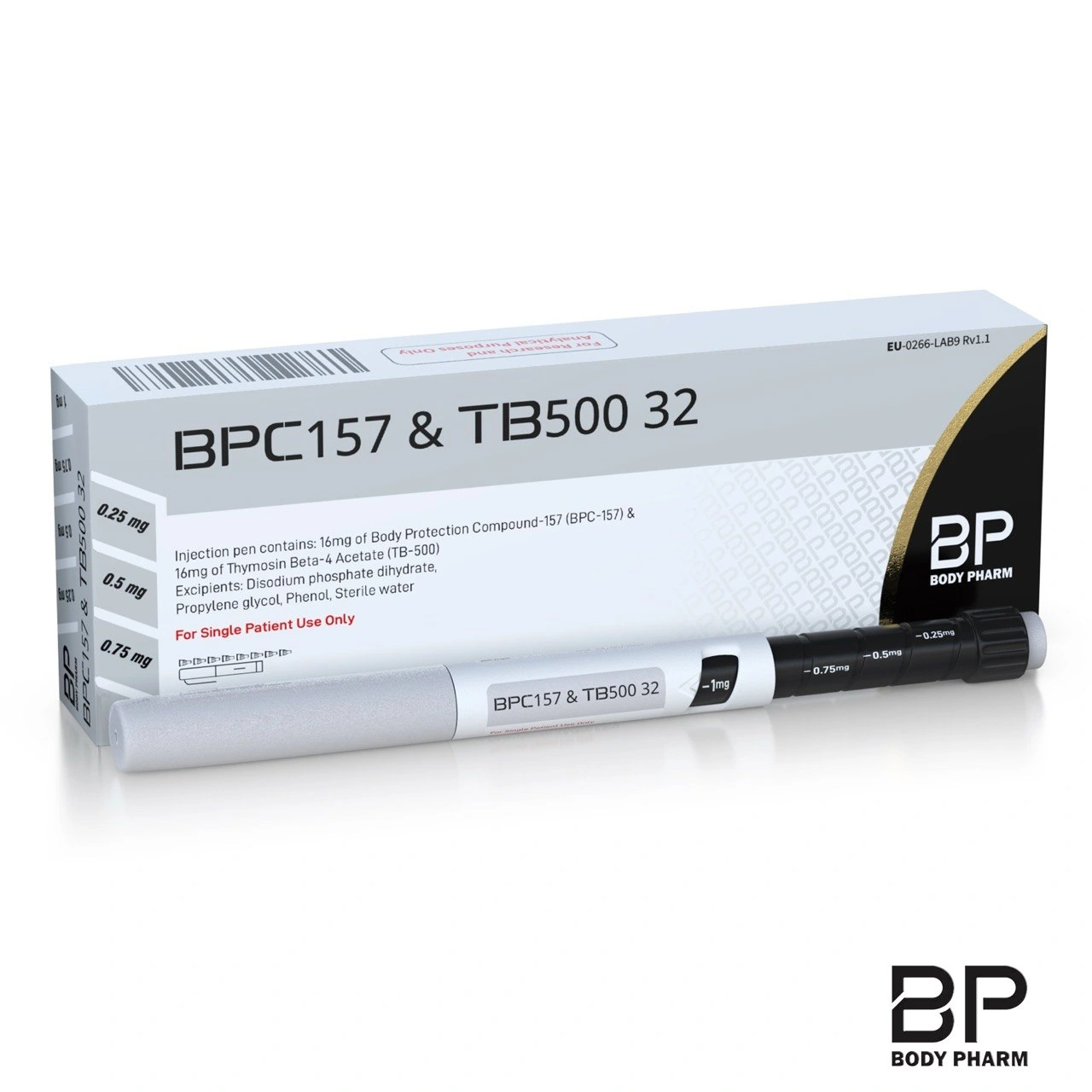
The BPC-157/TB-500 catalogue listing identifies a product presentation; it cannot assess tendon continuity or replace acute-injury care. The journal provides background on the terminology. Establishing the diagnosis first makes every later recovery question more specific and helps prevent a broad “tendon repair” claim from being mistaken for an individual treatment plan.
What is worth telling a clinician on the first phone call?
Say that the complaint followed a sudden injury if that is what happened, give the time, and describe any loss of push-off or difficulty walking. Mention whether this is a previously repaired tendon. These details help the clinic direct you to an appropriate assessment. A list of products seen online contributes less to that initial triage.