
A blood result and a urine result can both appear in retatrutide kidney research, but they answer different questions. If you are reading about retatrutide in Bali, begin by identifying which test a headline describes. An improvement in one marker does not mean every measure of kidney health changed together.
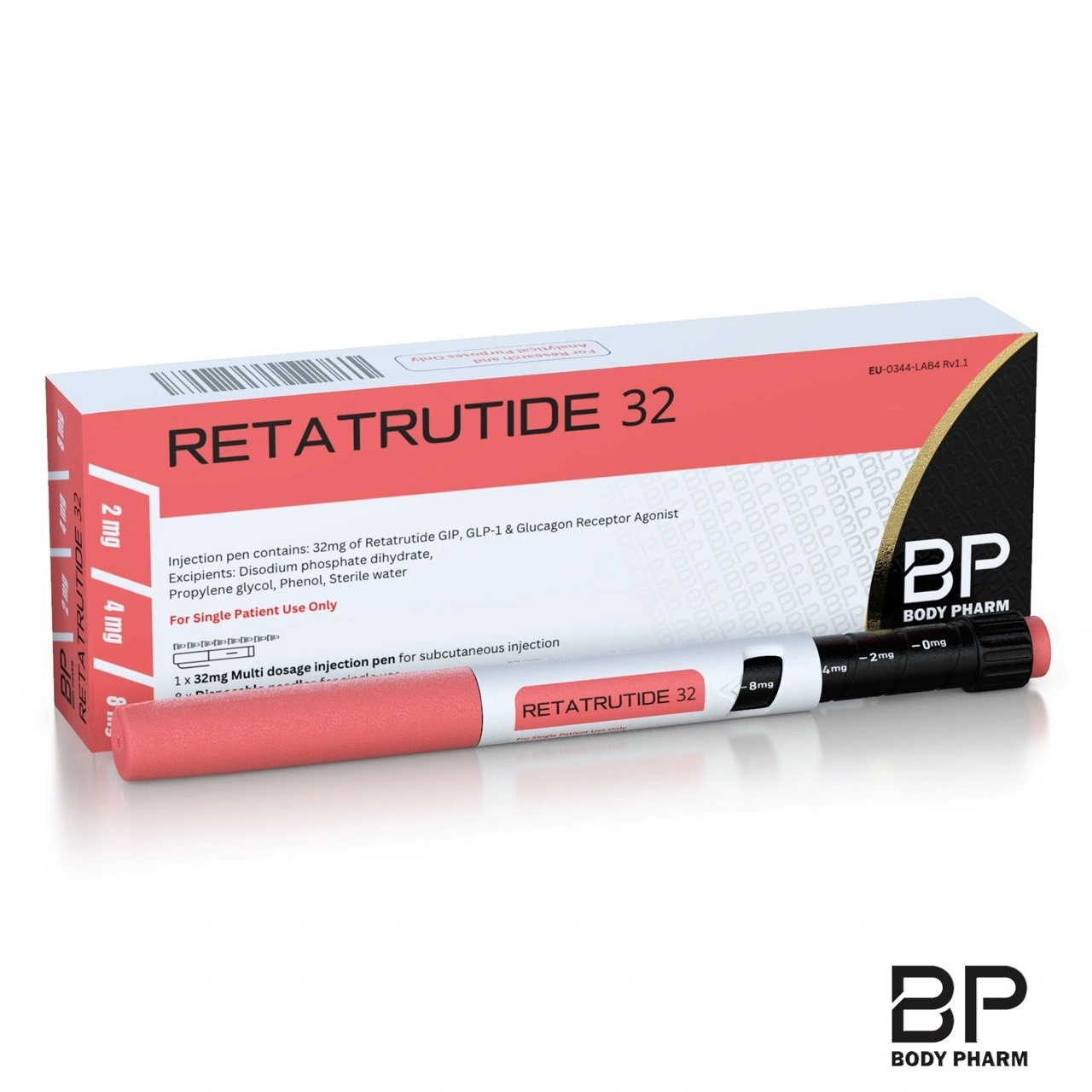
Peptides in Bali lists its retatrutide presentation separately from this research guide. The purpose here is to make a clinical conversation and a product enquiry more precise, especially when your previous laboratory records come from outside Indonesia.
Start with the name printed on the report
Do not reduce a report to its largest or most colourful number. Look for the test name, units, collection date and method. eGFR is an estimate of filtration; UACR concerns albumin in urine relative to creatinine. A measured filtration test is a different procedure again.
| You see | First question | What to keep with it |
|---|---|---|
| eGFR | Which marker and equation were used? | Full laboratory page |
| UACR | What units does this laboratory report? | Urine collection date |
| A change from baseline | Compared with which earlier sample? | Both reports |
| A trial percentage | Which participants and endpoint? | Original study reference |
This approach is useful when one clinic reports in a format unfamiliar to you. It also prevents an estimated value from being mistaken for a direct measurement. If a translated summary drops the units, return to the original before comparing results.
Put the kidney headline back into its study
The retatrutide kidney publication is an analysis of data from two phase 2 trials. Its outcomes include estimated filtration and urine albumin. The evidence concerns the enrolled participants and the preparations used in those trials.
For a reader, the most important distinction is between a marker and a clinical event. A marker can help researchers investigate a potential effect. Preventing a major event over years is a different claim and requires relevant evidence. Do not turn a favourable graph into a statement that a particular pen treats chronic kidney disease.
Another useful distinction is between an average and an individual response. A study summary describes a group. It cannot explain why your own laboratory result changed, particularly if other medicines, illness or the testing method also changed during that period.
Why new research documents need labels
The TRANSCEND-CKD design and baseline paper introduces a more specific kidney investigation. It includes measured filtration as part of the planned assessment. Its baseline information describes the starting point, not a treatment benefit.
Keep a small reading record: document title, publication type, participants and the question it can answer. Put unanswered questions in a separate column. This is more reliable than arranging research by whichever headline sounds newest or strongest.
A trial registry may also change status before a full results publication is available. Check the actual document you are citing. Dates, a familiar researcher name and a completed-study label are useful identifiers, but none substitutes for an outcome report.
A better appointment note for Bali
Before a review, gather the original reports and list current prescribed medicines and supplements. If you recently moved between countries, note which tests were performed in each place. A clinician can then decide whether a comparison is meaningful or a result should be repeated.
Your opening question might be: “These reports use different labels; are they measuring the same thing?” Another useful question is whether the finding changes the established care plan. Avoid making the appointment only about obtaining a yes-or-no verdict on a shopping choice.
For a short stay in Canggu, think about who will review any follow-up after you leave. This is a continuity question, not a claim that a particular local service is available. Confirm arrangements with the professionals involved rather than relying on a generic travel article.
What to ask the shop
Use the shop to locate the exact product, then ask about its labelled ingredient, format and batch documentation. Keep those questions separate from interpretation of medical records. A certificate describing a sample and a blood test describing a person serve different purposes.
Do not assume that the total quantity printed on a pen establishes a suitable treatment plan. This article provides no personal dose or conversion. Preserve any existing clinical instructions and ask the prescribing professional about changes, especially where kidney disease or diabetes treatment is already involved.
FAQ
Does a normal blood result make a urine result irrelevant?
No. They may provide different information. The treating clinician should interpret the full picture.
Is the TRANSCEND-CKD design paper proof of benefit?
No. A design and baseline publication explains the investigation and its starting population, rather than reporting its treatment outcome.
Which documents should I bring to a Bali consultation?
Complete laboratory reports, earlier comparable results and a current medicine list are more useful than a single screenshot.
Sources and further reading
- The Effect of Retatrutide on Kidney Parameters in Participants With Type 2 Diabetes Mellitus and/or Obesity — Heerspink et al., Kidney International Reports. Source checked 2026-10-23.
- Rationale, design and baseline characteristics of TRANSCEND-CKD — Heerspink et al., Nephrology Dialysis Transplantation. Source checked 2026-10-23.