
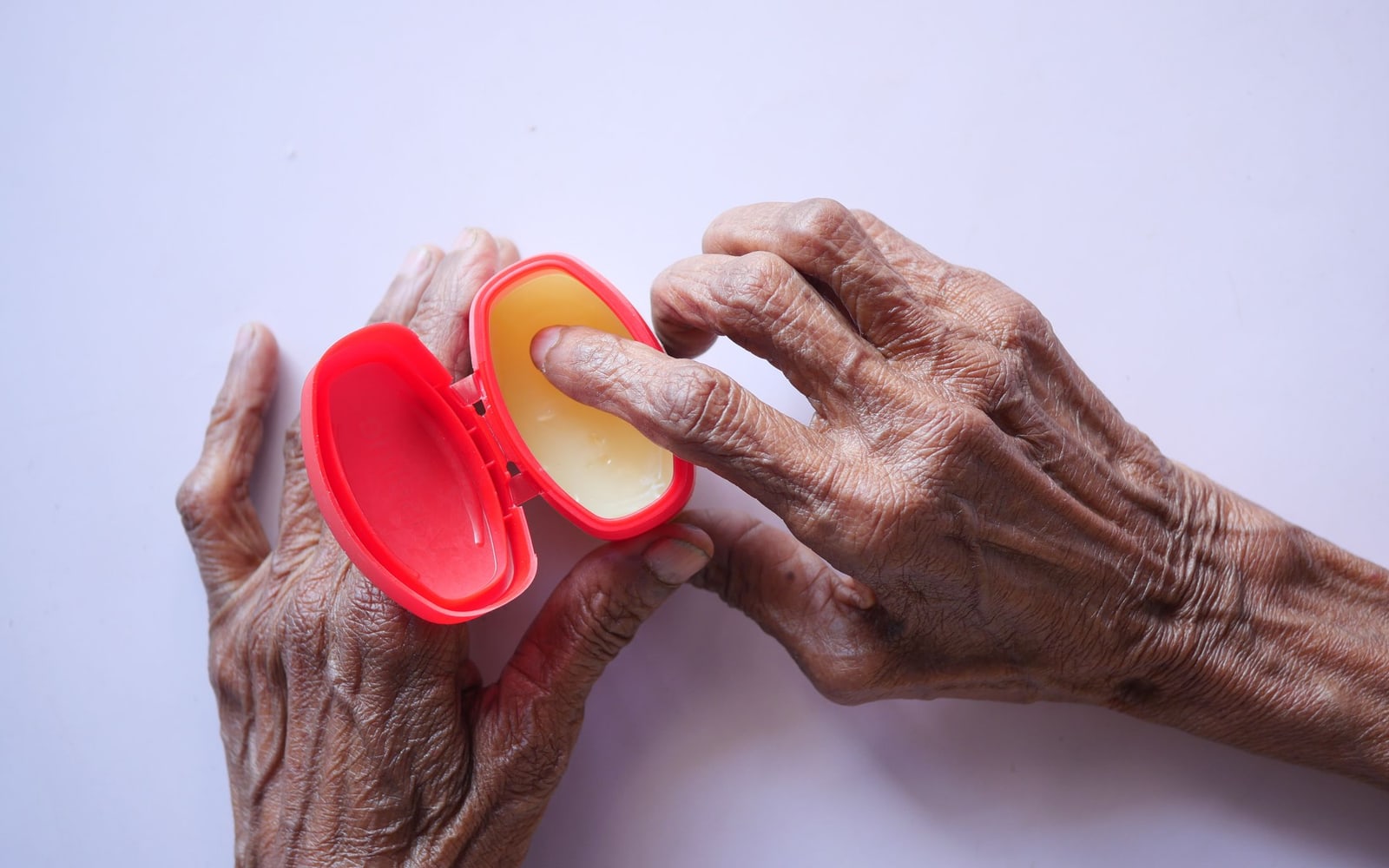
The first decision in a GHK-Cu comparison is often about format rather than ingredient strength. A shopper in Bali may be looking at a serum, a urea cream and a prefilled pen under similar “skin” headings. Those headings do not make the products equivalent. Identify the preparation before discussing what it might do.
Read the product type before the number
A topical cream is formulated for use on the skin. A serum is another finished topical preparation. The GHK-Cu catalogue listing identifies a pen format. Keep those descriptions attached to the names whenever you compare them.
A total amount in milligrams cannot be ranked directly against the percentage printed on a cream. The labels describe different quantities. You would also need to know the formulation and intended route before any exposure comparison could be meaningful; a shopping label is not enough to calculate one.
| Label detail | Why it matters | A useful question |
|---|---|---|
| Product type | Establishes the format | Is this a cream, serum or pen? |
| Ingredient and amount | Identifies what is listed | Percentage of what, or total mg? |
| Instructions | Describes intended use | Do these belong to this preparation? |
Match the concern to the source
The urea moisturizer study addressed topical formulations and measured skin hydration and barrier-related outcomes. Its comparison was between finished products. That makes the surrounding formula relevant, rather than simply the word “urea”.
The copper-tripeptide study addressed a topical preparation after laser resurfacing. Its setting is different from a person choosing a routine for rough or dry skin. Neither paper is a direct comparison of a urea cream with the retail GHK-Cu pen in this shop.
When someone shares a study as a product recommendation, write three short labels beside the link: preparation, skin concern and measured outcome. If those do not match the item you are considering, ask what evidence supports the proposed bridge between them.
Make a comparison note that avoids a false winner
Start with the actual concern and how long it has been present. List the products already used and the part of the body involved. This helps keep a discussion about rough heels separate from one about a facial routine or post-procedure care.
Next, record each candidate's full name and instructions. A cropped photograph of a percentage is not a complete product description. If you are buying while travelling in Bali, keep the original label so you can check the same information after leaving.
You do not need to decide that one ingredient “beats” the other to make progress. A useful outcome may be recognizing that the two items address different questions, or that a skin complaint needs assessment before another product is added.
FAQ: Separate the order from the care decision
Use the shop to inspect the listed peptide formats. The manager can clarify product details and documentation. A dermatologist or pharmacist can help interpret a skin concern and a topical routine; those roles do not become interchangeable because both conversations happen online.
Avoid combining products into a personal treatment plan from a comparison table. The table organizes information about categories and evidence. It does not provide compatibility, dosing or application instructions for an individual.
Is a pen just a more concentrated serum?
No. The route and preparation differ, and the label quantities cannot establish equivalence. A serum study does not automatically validate a pen with the same compound name.
Does a higher urea percentage settle the comparison?
It supplies one formulation detail. The finished product, instructions, intended application and the actual skin concern remain relevant. A percentage alone is not an overall performance score.
What should I ask before ordering GHK-Cu?
Confirm the exact format and available product information. Keep any question about treating a skin condition with the qualified professional responsible for that assessment.
Photograph: Towfiqu barbhuiya · Pexels. Topical skincare format, illustrating the discussion of creams and formulation. Illustrative stock photograph; it does not show the study preparation or its results.
Sources and further reading
- Comparison of Urea-Based Compounding Moisturizers and Similar Commercial Products on Skin Barrier Function: A Randomized Biometric Study — Samadi et al., Journal of Cosmetic Science. Source checked 2026-10-25.
- Effects of topical copper tripeptide complex on CO2 laser-resurfaced skin — Miller et al., Archives of Facial Plastic Surgery. Source checked 2026-10-25.