Before comparing BPC-157 with prolotherapy in Bali, separate the product question from the clinical question. BPC-157 is a peptide; dextrose prolotherapy describes a procedure. Neither name tells you why a tendon hurts, and the cited studies do not directly compare the two approaches.
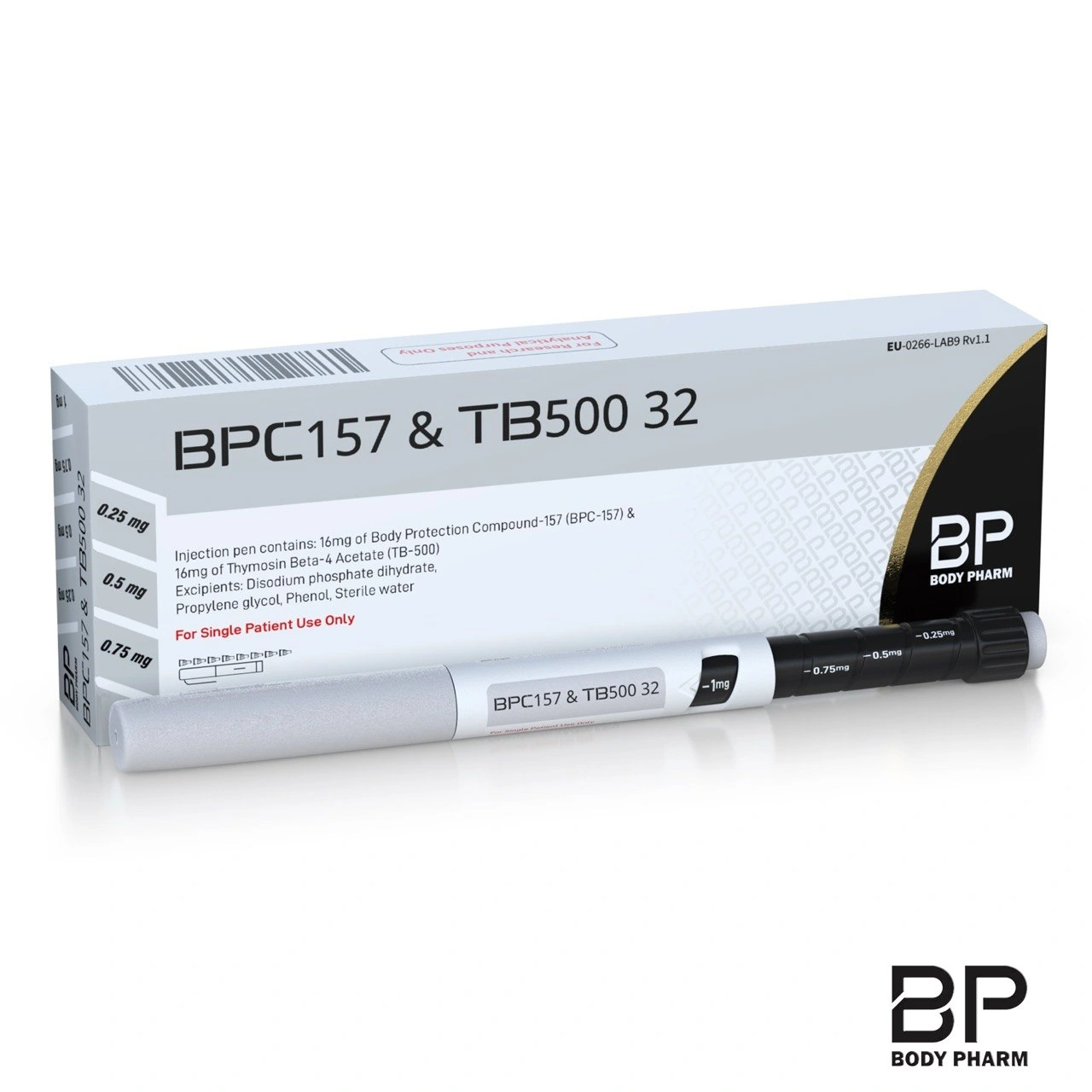
Peptides in Bali lists a BPC-157/TB-500 blend. That full name matters. Evidence about an individual ingredient is not automatically evidence about a combination pen, and a catalogue listing does not confirm suitability for a particular injury.
Write down the problem you want answered
A useful assessment starts with the location, duration and pattern of symptoms. Explain whether the difficulty appears during running, lifting, surfing or an ordinary daily activity. Record the activities you have stopped or modified instead of relying only on a general recovery score.
If there are previous scans or clinical reports, take them along. The report date and original conclusion are more useful than a summary such as “some tendon damage.” Comparing products before clarifying the condition can leave the most important question unanswered.
A quick evidence comparison
| Detail to check | BPC-157 | Dextrose prolotherapy |
|---|---|---|
| Category | Peptide | Clinical injection procedure |
| Source used here | Experimental tendon and cell research | Randomized trial for painful Achilles tendinosis |
| Important limitation | Experimental processes are not human recovery outcomes | A specific tendon trial is not evidence for every injury |
| Retail connection | Our listing is a BPC-157/TB-500 blend | No prolotherapy service is offered by this article |
Do not read the table as a recommendation to select a column. Its purpose is to show what must be checked before a claim can be applied to your situation.
Understand the experimental endpoint
The BPC-157 tendon paper investigated tendon outgrowth and cell behavior. Such research can examine a biological process. It cannot, on its own, establish a predictable recovery time, a clinical pain benefit or the performance of the catalogue blend.
When a summary uses the phrase tendon healing, look for the actual measurement. Tissue outgrowth, cell migration, pain during walking and return to sport describe different outcomes. A positive finding on one does not supply a measured answer for all the others.
The same care applies to ingredient names. A paper investigating BPC-157 alone is not a combination study simply because a retailer stocks BPC-157 with TB-500. Keep that difference attached to any source you save or bring to a consultation.
Understand the clinical comparison
The Achilles tendinosis trial included exercises, prolotherapy and a combined approach. It provides a clinical question with named comparators and a defined condition. It did not include a BPC-157 group, so it cannot decide which of those two search terms is better.
For a proposed procedure, ask how the diagnosis, preparation and follow-up relate to the evidence. Discuss the role of rehabilitation and how success would be measured. A service's advertised name is less informative than a clear explanation of what is being proposed and why.
Make follow-up part of the Bali decision
Visitors sometimes compare options while moving between accommodation or preparing to fly home. Explain your actual dates before agreeing to a clinical plan. Who reviews progress, who receives earlier records and what happens after departure are practical parts of care.
If you are staying in Canggu, do not assume that every provider using Bali in its description operates nearby or offers the same procedure. Confirm the location and professional qualifications directly. No specific local provider is endorsed here.
The list of current medicines and supplements also belongs in the consultation. This article does not provide injection instructions, mixtures or a personal schedule, and a paper's method should not be copied into self-treatment.
Check the pen as a product
The full catalogue allows you to compare listed names and presentations. Read the blend label, total stated quantity and available documentation. These identify the item being considered; they do not substitute for evidence about the outcome you want.
Separating identity, evidence and clinical assessment makes the comparison clearer. It also avoids treating a packaged item and an entire supervised procedure as interchangeable purchases merely because both appear in a tendon-related search.
FAQ
Are BPC-157 and prolotherapy the same type of option?
No. One names a peptide, while the other names a clinical procedure. Their evidence needs to be read in that context.
Is there a direct comparison in the papers linked here?
No. The experimental BPC-157 paper and the Achilles trial address different questions.
Does this article provide a treatment schedule?
No. It helps organize product and evidence questions for an appropriate clinical assessment in Bali.
Sources and further reading
- The promoting effect of pentadecapeptide BPC 157 on tendon healing involves tendon outgrowth, cell survival, and cell migration — Chang et al., Journal of Applied Physiology. Source checked 2026-10-23.
- Prolotherapy injections and eccentric loading exercises for painful Achilles tendinosis: a randomised trial — Yelland et al., British Journal of Sports Medicine. Source checked 2026-10-23.